The Hidden Hero of Kids Furniture: Performance Fabrics That Make Play Furniture Last

We independently select everything we recommend. When you buy through our links, we may earn a commission.
When parents shop for kids furniture, most of the attention goes to the visible parts of the design. People compare foam thickness, modular layouts, safety features, and how many ways a play couch can turn into a fort. What often gets overlooked is the material that actually takes the most abuse: the upholstery fabric.
For modern play furniture, fabric isn’t just decoration. It’s the surface kids jump on, drag across the floor, spill juice on, and build forts with every day. The rise of modular play couches, sensory crash pads, and upholstered kids seating has made performance fabrics one of the most important ingredients in furniture that survives real family life.
The brands creating the most successful kids furniture today understand that durability begins with the material itself. Performance fabrics designed for stain resistance, washability, and safety certifications are what allow these products to last through years of climbing, sliding, and lounging.
Why Fabric Matters More Than Most Parents Realize
Kids furniture faces a completely different set of challenges than traditional living room seating. A typical sofa may be used for sitting and occasional lounging, but kids furniture becomes part of everyday play.
Play couches and soft modular furniture are used for:
- building forts
- jumping and climbing
- sliding and rolling
- dragging pieces across the floor
- everyday lounging and reading
All of this puts constant stress on upholstery. That’s why durable upholstery fabrics are often more important than the foam inside the furniture itself.
Without the right material, furniture can quickly show wear through:
- fabric pilling
- stretched seams
- permanent stains
- worn surface fibers
Performance fabrics are designed specifically to handle these kinds of challenges while still remaining soft enough for everyday comfort.
What Makes a Great Fabric for Kids Furniture
Not all upholstery materials are created equal. Furniture designed for families must balance durability, safety, and comfort in ways that standard decorative fabrics often cannot.
Several characteristics define a strong performance fabric for kids furniture.
Durability and Abrasion Resistance
One of the most important measurements for upholstery fabrics is abrasion resistance. Many manufacturers evaluate durability using tests such as Martindale or Wyzenbeek rub cycles, which simulate repeated friction on the surface of a textile.
While a typical residential sofa may use fabrics rated around 15,000–25,000 rubs, high-use furniture often requires fabrics designed for significantly heavier wear.
Stain Resistance and Cleanability
Spills are part of daily life in homes with kids. Performance fabrics are engineered to resist stains and allow easier cleaning when accidents happen.
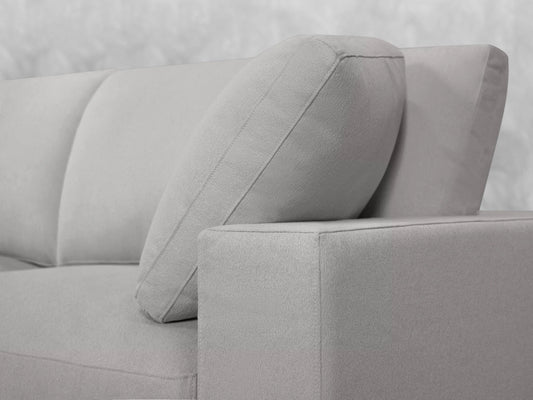
Many of these fabrics feature tightly woven structures or protective finishes that prevent liquids from immediately soaking into the fibers.
Comfort and Softness
Durability alone is not enough. Kids seating needs to remain comfortable, especially for furniture designed for lounging or floor play. Performance fabrics aim to balance resilience with a soft hand feel.
Safety and Certifications
Parents are increasingly paying attention to non-toxic materials and safety certifications in children’s products. Upholstery fabrics used in kids furniture often prioritize low chemical emissions and safer finishes.

The Rise of Performance Fabrics in Kids Furniture
Over the past decade, kids furniture has changed dramatically. Instead of rigid wood furniture and plastic toys, modern playrooms often feature soft modular seating systems and upholstered play furniture.
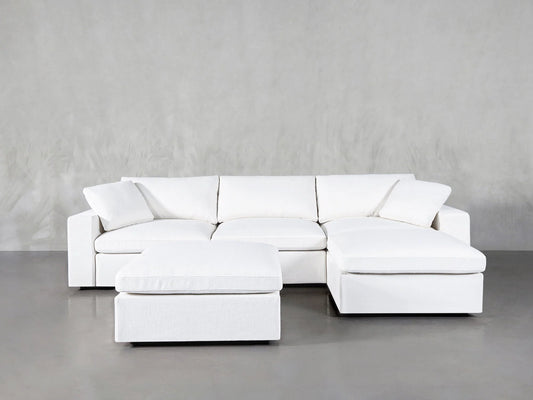
Products like modular play couches, crash pads, and foam lounge systems rely heavily on durable textiles. Without strong fabrics, these designs would struggle to survive daily use.
The popularity of these products has pushed furniture brands to prioritize washable covers, stain-resistant upholstery, and durable woven textiles that can withstand active play.
In many cases, the fabric has become one of the defining features of the product itself.
Why PFAS-Free Fabrics Are Becoming the New Standard
As awareness around chemical treatments grows, many brands are rethinking how performance fabrics are made. Traditional stain-resistant finishes sometimes relied on PFAS-based chemistry, which has become a growing concern for environmentally conscious consumers.
Today, many furniture manufacturers are exploring PFAS-free performance fabrics that still deliver strong stain resistance and durability without relying on those treatments.
This shift reflects a broader movement within the furniture industry toward safer materials and more responsible manufacturing practices.
Sunspoken by Dorell Fabrics is one example of this shift, offering durability and stain resistance while avoiding PFAS chemistry.
How Kids Furniture Brands Choose Upholstery Materials
Selecting upholstery for kids furniture involves balancing several competing priorities.
Design teams typically consider factors such as:
- durability under heavy use
- stain resistance and washability
- safety certifications
- texture and comfort
- color stability over time
For modular play furniture, fabric must also handle constant movement and friction as pieces are rearranged, stacked, or dragged across the floor.
Because of these demands, many brands now treat fabric selection as a core part of product development rather than a final decorative choice.

Brands Pushing Innovation in Kids Furniture Materials
Several brands have helped demonstrate how important performance fabrics are to modern kids furniture.
Companies creating modular play couches, foam seating systems, and sensory furniture rely heavily on durable textiles that can survive years of active play.
As modular play furniture continues to grow in popularity, the role of fabric innovation will only become more central to the category.
The Future of Kids Furniture Materials
Looking ahead, several trends are shaping the next generation of kids furniture textiles.
Fabric manufacturers are increasingly exploring:
- PFAS-free stain-resistant fabrics
- recycled and sustainable textile fibers
- stronger abrasion resistance for high-use furniture
- washable upholstery systems
- softer yet more durable weaves
As families continue to prioritize durability and safety, performance fabrics will remain one of the most important elements in the design of modern kids furniture.
How to Tell If a Kids Furniture Fabric Is Built for Real Family Life
Not every fabric marketed as durable is truly designed for the demands of active kids furniture. Some materials may look soft and appealing at first, but begin to show wear quickly once they are exposed to climbing, jumping, spills, and constant movement.
For parents shopping for play couches, sensory seating, crash pads, and other upholstered kids furniture, it helps to look beyond color and texture alone.
Several signs often point to a better upholstery choice:
- Washable or removable covers
- Tight weaves or performance constructions
- Stain-resistant properties
- Durability testing like Martindale or Wyzenbeek
- Safer material standards
In a category where furniture is expected to function as seating, play equipment, and lounge space all at once, fabric quality often determines how well a piece holds up over time.
Carefully Chosen Fabric Helps Define Good Kids Furniture
Play furniture may look simple on the surface, but behind every durable kids couch or modular seating system is a carefully chosen textile designed to handle the realities of everyday life.
The most successful kids furniture brands understand that great design starts with great materials. From stain resistance to abrasion testing and safety certifications, performance fabrics quietly support the durability parents expect and the comfort kids enjoy.
In many ways, these textiles are the hidden hero of modern kids furniture, helping play couches, crash pads, and lounge seating survive years of climbing, building, and everyday family life.
FAQ: Performance Fabrics for Kids Furniture
What is the best fabric for kids furniture?
The best option is usually a performance upholstery fabric designed for durability, stain resistance, and easy cleaning.
Are performance fabrics good for play couches?
Yes, performance fabrics are ideal because play couches experience constant movement, jumping, and daily use.
What makes kids furniture fabric durable?
Durability comes from strong fibers, abrasion resistance, and resistance to pilling, stretching, and staining.
Is washable fabric important for kids furniture?
Yes, washable or easy-clean fabrics help furniture stay usable and looking good over time.
What does PFAS-free mean in performance fabrics?
PFAS-free fabrics avoid certain chemical treatments while still delivering stain resistance and durability.
How do I know if a kids furniture fabric will hold up?
Look for durability testing, cleanability features, and clear product details about real-world performance.
Why do performance fabrics matter in modular kids furniture?
Because modular furniture is constantly moved and used for play, fabric durability directly impacts how long it lasts.